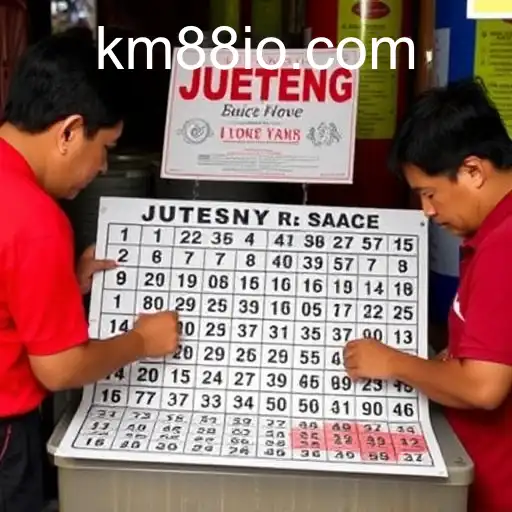
An In-Depth Look at Jueteng
Jueteng is an illegal numbers game that has woven itself into the cultural and social fabric of various communities in the Philippines. Despite persistent efforts from authorities to eradicate it, Jueteng persists as a widely played lottery-type game. Its continued existence highlights not only the challenges of combating illegal gambling but also the complexities involved in addressing socio-economic issues in the country.
The Mechanics of Jueteng
Jueteng operates in a manner akin to a local lottery. Players select a combination of numbers, typically from 1 to 37, with bets placed ranging from very small amounts to more substantial sums. The winning numbers are drawn at random, often using rudimentary methods such as rolling balls or using designated draw cards. Prize money is determined by the total accumulated bets and the specific odds provided by the local operators.
The Socio-Economic Factors of Jueteng
Jueteng thrives predominantly in poorer regions where it is perceived as a form of financial escape, albeit brief and uncertain. Many individuals in economically marginalized areas prefer betting small amounts in hopes of securing a relatively larger financial reward. This pressing need for potential windfalls underscores the economic desperation that drives people toward Jueteng, further complicating efforts to deter its prevalence.
The promise of quick money is alluring, especially to those struggling to find stable employment or provide for their families. Jueteng's low entry barrier is deliberately designed to attract more participants, fueling a cycle of hope and disappointment that reinforces its hold on the local community.
The Role of KM88
KM88 is often mentioned in discussions about Jueteng, serving as both direct and indirect players within its network. It is a term used to represent organized groups or affiliations that coordinate and manage operations behind the scenes. These collectives are instrumental in maintaining the structured approach through which Jueteng operates efficiently and under the radar of law enforcement agencies.
While KM88 itself is not officially recognized, its presence is felt throughout the hierarchy of Jueteng operations. From collectors who gather bets to the mid-level managers coordinating logistics, these networks ensure that operations run smoothly while minimizing exposure. They often use innovative methods for communication, relying on modern technology that allows them to evade traditional policing tactics.
Political Implications
Jueteng's reach extends beyond mere numbers; it is intrinsically linked to political structures in areas where it flourishes. Connections between local political figures and Jueteng operators are often alleged, with accusations that elected officials either turn a blind eye or are actively complicit in exchange for financial support. This creates a vicious cycle where political protectionism allows Jueteng to thrive, thereby impacting efforts to enforce gambling laws strictly.
The infusion of Jueteng money into political campaigns is a suspected practice, providing candidates with necessary financial resources to secure electoral success. This mutual benefit reinforces the entrenchment of gambling operators and influences local governance, making it difficult to dismantle the existing system.
Challenges in Law Enforcement
Efforts to combat Jueteng face numerous challenges, primarily due to its deep-seated entrenchment in local communities and the complexities of its structured network. Law enforcement agencies often find themselves at a disadvantage, needing more resources or motivation to tackle the problem effectively.
Crackdowns, when they do occur, often lead to temporary disruptions but seldom result in long-term solutions. This is compounded by the reality that individuals involved in small-scale operations of Jueteng often have limited job opportunities elsewhere, making them less likely to cooperate with authorities.
The Debate on Legalization
Legalizing Jueteng has been proposed as a potential method to regulate and siphon its proceeds into public funds. Proponents argue that legalization would allow the government to impose taxes, thus generating additional revenue for social programs while reducing the grip of illegal operators. Opponents, however, assert that legalization does not necessarily address the socio-economic issues driving the participation in Jueteng and could potentially exacerbate gambling addiction.
Furthermore, the concern remains whether true regulation could ever be effectively implemented, given the ingrained culture of patronage and corruption surrounding Jueteng operations.
Cultural Significance
Despite being illegal, Jueteng is deeply embedded in the cultural psyche. For many, it is more than just a game; it signifies hope, a chance at something bigger than their day-to-day realities. The social setting created by Jueteng operations often introduces a sense of community involvement, where neighborhood ties and interpersonal relationships are strengthened as participants gather to place their bets.
The persistence of Jueteng as a cultural phenomenon denotes the need for a more nuanced approach when considering solutions. Abrupt eradication without alternative avenues of employment or community support systems is likely to leave a vacuum that could be filled by even more damaging societal ills.
Concluding Thoughts
The issue of Jueteng is multifaceted, and addressing it requires an understanding of its socio-economic, political, and cultural dimensions. The presence of entities such as KM88 sheds light on the organized aspect of its operations, pointing to a systemic problem rather than isolated incidents. Ultimately, solutions must be comprehensive, focusing both on enforcement and on providing viable alternatives to the communities involved.
In moving forward, dialogue between government officials, community leaders, and other stakeholders is essential to create sustainable policies that reflect the realities of those whose lives are intertwined with Jueteng.